
Basilica of La Purisima Concepcion
Philippines·Santa Maria·Malolos
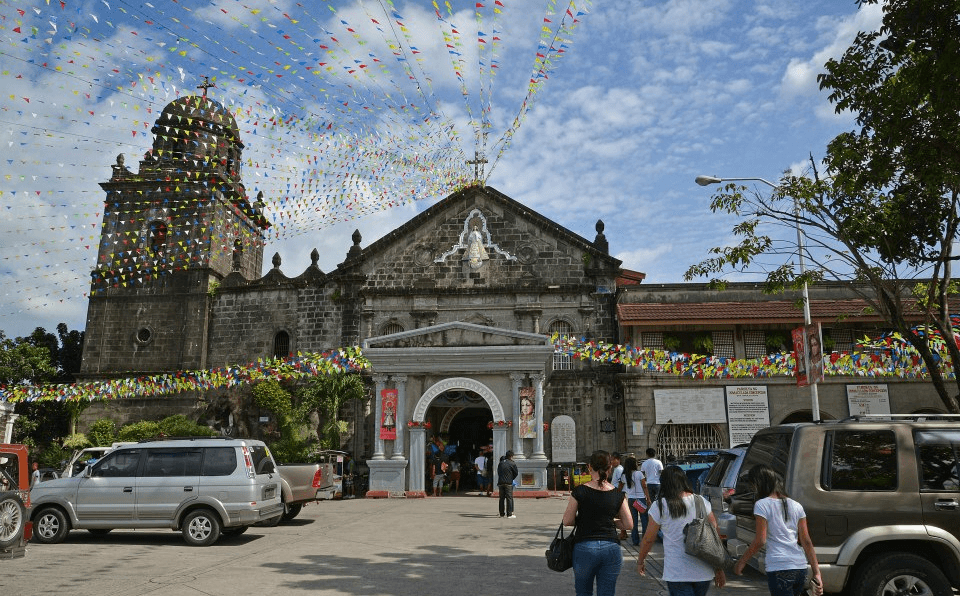
The Minor Basilica and Parish of La Purísima Concepción, also known as Santa Maria Church, is a significant Roman Catholic Minor Basilica located in Santa Maria, Bulacan, Philippines. Dedicated to the Virgin Mary of the Immaculate Conception, it holds a miraculous Marian image and was elevated to the status of Minor Basilica by Pope Francis in 2021, following a pontifical decree of coronation for its enshrined image.
Key Facts
- ›Founded by Franciscan Friars as a visita, it gained independence in 1792 and began construction of a larger church.
- ›The church is home to a Marian image believed to be miraculous, with local legends surrounding its arrival.
- ›The enshrined Marian image received an episcopal coronation in 2018 and a pontifical canonical coronation by Pope Francis in 2020.
- ›The facade bears a historical marker dated 1939 from the Philippines Historical Committee, identifying it as 'Church of Pandi'.
- ›It serves as the seat of the Episcopal Vicar of the Eastern District of the Diocese of Malolos.
- ›The feast day was adjusted to the first Thursday of February to commemorate the retrieval of a stolen Marian image.
Roman Catholic
Virgin Mary of the Immaculate Conception
Enshrined Marian Image
Franciscan Friars
About Basilica of La Purisima Concepcion
The Minor Basilica and Parish of La Purísima Concepción, commonly referred to as Santa Maria Church, is a prominent Roman Catholic Minor Basilica situated in Santa Maria, Bulacan, Philippines. It is dedicated to the Blessed Virgin Mary under the invocation of the Immaculate Conception and serves as the seat for the Episcopal Vicar of the Eastern District of the Diocese of Malolos.
Historical Foundations and Development
The church's origins trace back to its founding by Franciscan Friars as a visita. Initially constructed with humble materials like cogon and bamboo, it underwent significant development. By 1792, Santa Maria de Pandi achieved independence from its parent parish, marking the commencement of construction for a larger church. This new edifice was then renamed Parroquia de la Purísima Concepción, formally dedicating it to the Virgin Mary.
The Miraculous Marian Image
A central element of the basilica's significance is a miraculous image of the Virgin Mary. Local legends offer differing accounts of its arrival in Santa Maria: one tradition suggests it was brought by the Franciscan Friars, while another posits it was sculpted from wood salvaged from a galleon. The image holds deep veneration, as evidenced by its history of theft in the 1930s and subsequent retrieval. Following its recovery, the townsfolk adjusted their feast day to the first Thursday of February, with an exception for February 2nd, the feast of Our Lady of the Candles.
Recognition and Designation
The church's facade is adorned with a historical marker dated 1939, placed by the Philippines Historical Committee (now the National Historical Commission of the Philippines), which identifies it as the "Church of Pandi." This historical designation underscores its importance within the region. In recognition of its spiritual and historical standing, Pope Francis granted a Pontifical decree of coronation to the enshrined Marian image on March 28, 2019, with the coronation ceremony taking place on February 1, 2020. Subsequently, on March 21, 2021, Pope Francis officially elevated the shrine to the status of a Minor Basilica.
Source: Wikipedia ↗
Frequently Asked Questions
What is the significance of the Basilica of La Purisima Concepcion?
It is a Roman Catholic Minor Basilica dedicated to the Virgin Mary of the Immaculate Conception. It is recognized for its miraculous Marian image and its elevation to basilica status by Pope Francis.
When was Santa Maria Church elevated to the status of Minor Basilica?
Pope Francis raised the shrine to the status of Minor Basilica via decree on March 21, 2021.
What is special about the Marian image housed in the basilica?
The image is believed to be miraculous, and it received both an episcopal coronation in 2018 and a pontifical canonical coronation by Pope Francis in 2020. Local legends speak of its origins and a miraculous retrieval after being stolen.
What is the history behind the church's founding?
The church was initially founded by Franciscan Friars as a visita. By 1792, it gained independence and construction began on a larger church dedicated to the Virgin Mary.
Does the church have any historical designations?
Yes, the facade of the church has a marker dated 1939 from the Philippines Historical Committee, which at the time bore the name 'Church of Pandi'.
Related Basilicas

Basilica and Archdiocesan Shrine of Santo Niño de Tondo
The Minor Basilica of Santo Niño de Tondo, also known as the Archdiocesan Shrine of Santo Niño de Tondo Parish, is a significant Roman Catholic minor basilica located in Tondo, Manila, Philippines. Established by the Augustinian Order, it is dedicated to the Child Jesus and houses an ivory image of the Santo Niño that arrived from Acapulco, Mexico. Its elevation to minor basilica status by Pope Leo XIV in 2025 marks a key moment in its long history.
Basilica and Diocesan Shrine of Saint Paul of the Cross
The Minor Basilica and Diocesan Shrine of Saint Paul of the Cross in Marikina, Metro Manila, Philippines, is a significant Roman Catholic church. Established as a parish in 1975 and later elevated to a diocesan shrine in 2021, it holds the distinction of being the oldest church in the Philippines dedicated to Saint Paul of the Cross. Its elevation to the status of a Minor Basilica by Pope Leo XIV in 2025 further underscores its importance.

Basilica del Santo Niño
The Basilica Minore del Santo Niño de Cebú, commonly known as the Santo Niño Basilica, is a significant Catholic minor basilica located in Cebu City, Philippines. Founded in 1565 by Augustinian friars, it is recognized as the oldest church in the Philippines. The basilica holds immense religious importance as it is believed to be built on the site where the revered image of the Santo Niño de Cebú, the Child Jesus, was rediscovered.