
Malik
Semitic (including Hebrew, Arabic, Phoenician, Akkadian)
Malik is a Semitic term meaning "king," originating in ancient Near Eastern languages and widely adopted across various cultures, particularly in Islamized and Arabized regions. While predominantly a secular title for monarchs and tribal leaders, it also holds religious significance, notably as one of the Names of God in Islam, "al-Malik" (The King). The female equivalent is "Malikah," meaning "queen."
Key Facts
- ›The term "Malik" signifies "king" in Semitic languages, with early forms found in Akkadian and Northwest Semitic during the Late Bronze Age.
- ›It has been adopted as a title for ruling princes and kings in many Islamized and Arabized Asian languages.
- ›The female form, "Malikah," translates to "queen."
- ›In Islam, "al-Malik" is one of the Divine Names, representing God as the absolute King of Kings.
- ›The term is also used for tribal leaders, such as among the Pashtuns, and has been adopted by various sub-castes in South Asia seeking prestige.
- ›Historically, "Malik" was a title for rulers of city-states in the Levant and Canaan.
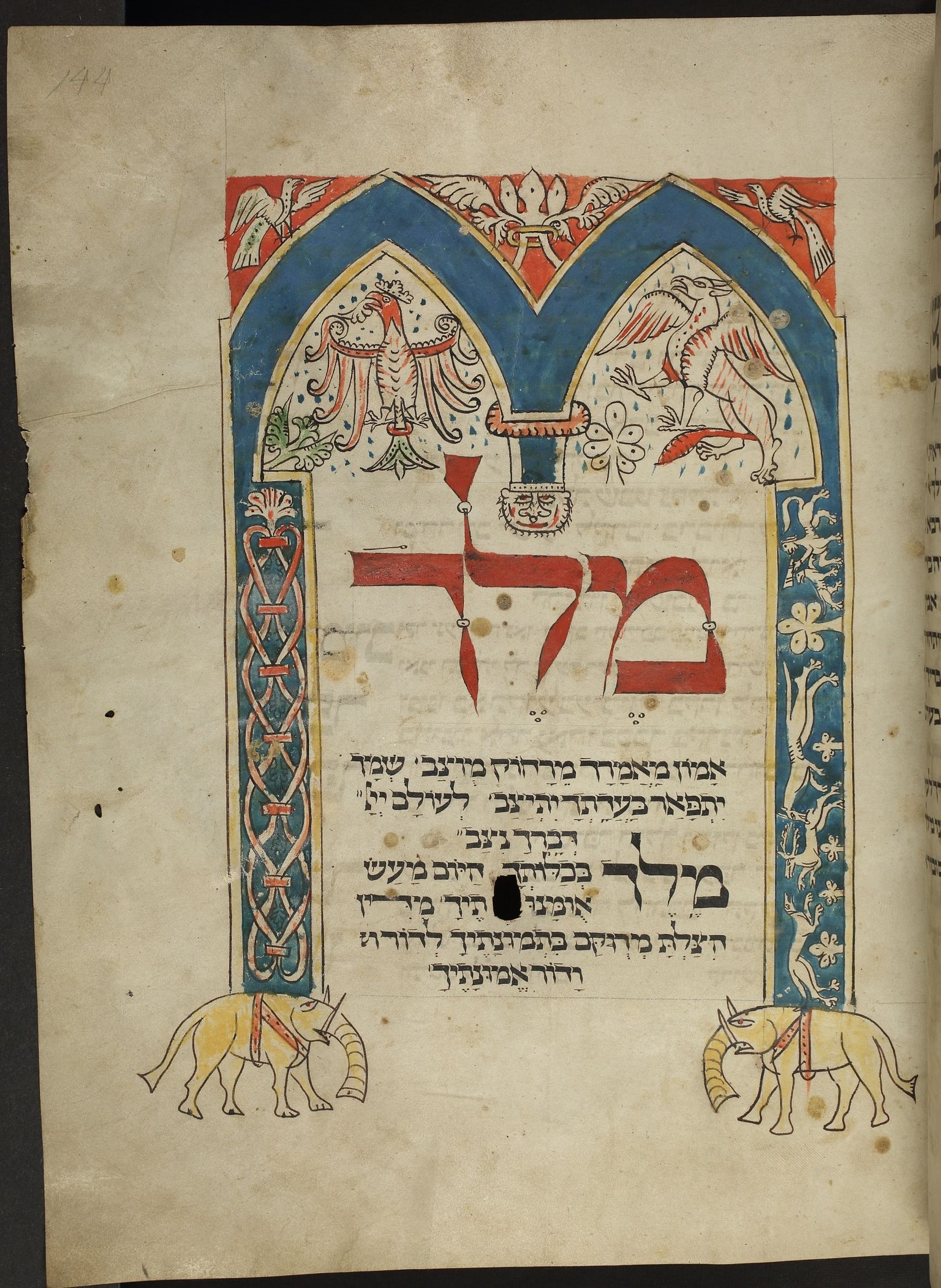
Mallik, Melik, Malka, Malek, Maleek, Malick, Mallick, Melekh, Maloka
King, Ruler, Tribal Leader
Quran, Hebrew Bible
Kingship, Sovereignty
Baal, Adon, Moloch, Melqart, Malika
- Title of Current Monarchs In Bahrain, Jordan, Morocco, and Saudi Arabia
- Title For Tribal Leaders In Pashtun Society
- Adopted Title By Aristocratic Lineages and Sub-Castes In South Asia
- Title For Princes In Armenian Melikdoms
- Used In Georgian Titles Like Malik of Somkhiti and Malik of Lori
- Referenced By Baha Al-Din Ibn Shaddad For King Richard I of England
About Malik
Malik: The Semitic Term for King
The term "Malik" is a fundamental word across Semitic languages, signifying "king" or "ruler." Its origins trace back to ancient East Semitic languages like Akkadian, where "Maloka" denoted a prince or chieftain. In Northwest Semitic languages, such as Phoenician, Hebrew, and Aramaic, "mlk" served as the title for rulers of city-states during the Late Bronze Age.
Etymology and Evolution
The term "Malik" and its derivatives like "Melekh" (Hebrew) and "Malek" (Arabic) have a long history. The word was initially used by pre-Arab and non-Muslim Semitic peoples, including Assyrians, Amorites, Jews, Arameans, and pre-Islamic Arabs. Over time, it spread and was adopted into various predominantly Muslim and non-Semitic languages in Central Asia, the Middle East, and South Asia, often to designate ruling princes or kings.
Political and Social Usage
Primarily, a "Malik" is a monarch of a kingdom. However, the term is also used more broadly for rulers with lesser titles, as well as for tribal leaders, notably among the Pashtuns of Pakistan. Several Arab kingdoms currently use "Malik" for their head of state, including Bahrain, Jordan, Morocco, and Saudi Arabia. Historically, "Malik" has been the title for rulers in regions such as Egypt, Iraq, Libya, and Yemen. In South Asia, the title has been bestowed upon tribal leaders and chieftains, and it has become a prestigious surname adopted by various aristocratic lineages and sub-castes, such as the Punjabi Awans and Jats.
Religious Significance
Beyond its secular meaning, "Malik" holds significant religious weight. In Islam, "al-Malik" (the definite form) is one of the 99 Names of Allah, representing God as the absolute King of Kings, sovereign over all creation. Conversely, in some biblical interpretations, "Moloch" is understood as either a deity or a ritual sacrifice associated with ancient Semitic cultures, with some scholars suggesting it was a deliberate mispronunciation of "Melekh" to associate it with "shame."
Derived Terms and Related Figures
The female counterpart to "Malik" is "Malikah," meaning "queen," which is used in Arabic and Persian. The term "Malik" has also influenced titles in other cultures, such as the "Melik" princes of Armenian principalities and titles within Georgian nobility. It is important to distinguish "Malik" from "Maalik," which in Islamic tradition refers to an angel of hell.
Source: Wikipedia ↗
Frequently Asked Questions
What does the name Malik mean?
Malik is a Semitic term that translates to "king." Its earliest forms were used to denote a prince or chieftain in ancient Mesopotamian and Levantine cultures.
Is Malik a religious term?
Yes, in Islam, "al-Malik" is one of the Divine Names, signifying God as the ultimate King of Kings and Lord of the Worlds. It also has historical associations with deities like Moloch and Melqart in other ancient Semitic traditions.
Who uses the title Malik today?
The title "Malik" is currently used by the monarchs of Bahrain, Jordan, Morocco, and Saudi Arabia. It is also a common title for tribal leaders, particularly among Pashtuns in Pakistan, and has been adopted by various aristocratic lineages and sub-castes in South Asia.
What is the female equivalent of Malik?
The female version of Malik is Malikah, which means "queen." This term is used in Arabic and Persian, often as part of a royal consort's title.
Are there any angels named Malik?
While "Malik" means "king" and "al-Malik" is a Divine Name in Islam, the term "Maalik" is also mentioned as an angel of hell (Jahannam) in Islamic tradition. However, the primary usage of "Malik" refers to secular rulers or the divine kingship of God.